
20% off on product page · save $3.25
What Stimulates Skin Repair? 5 Ways to Support Healing
Skin repair is stimulated by a coordinated healing response involving platelets, immune cells, fibroblasts, and keratinocytes. These cells stop bleeding, manage inflammation, produce collagen, and rebuild the protective surface.
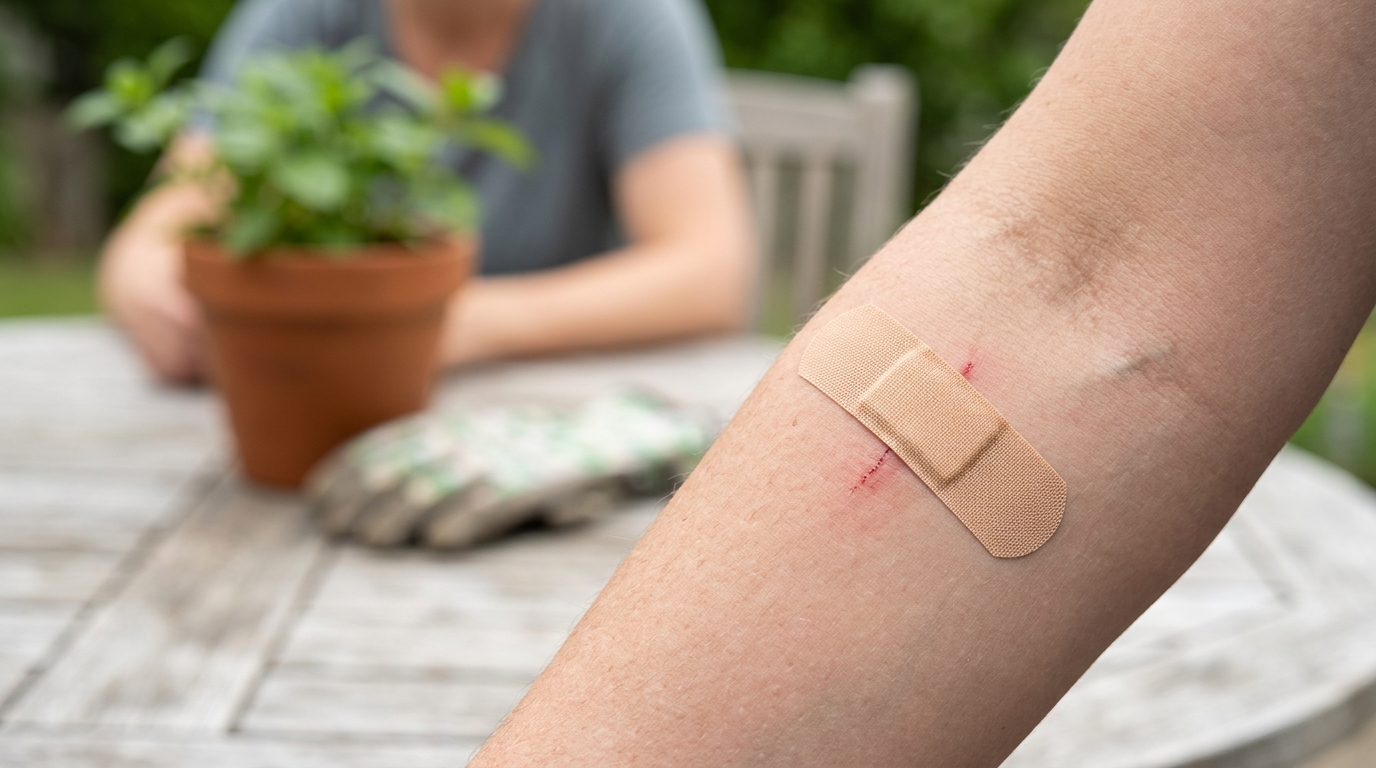
A moist, protected environment helps surface cells migrate across minor injuries more efficiently than skin that repeatedly dries and cracks. For everyday barrier damage, apply a fragrance-free moisturizer containing ceramides, glycerin, or petrolatum, and cover open cuts with an appropriate clean dressing.
Featured in this guide
The Science of Skin Recovery: A Complete Guide on What to Look for in Skin Repair Products for Healthier, Glowing Skin
Protein provides amino acids needed to form collagen and new tissue, while vitamin C supports collagen synthesis. Eat varied sources such as eggs, fish, beans, citrus fruit, bell peppers, and leafy greens; use supplements only when a clinician identifies a deficiency or recommends them.
UV exposure, smoking, picking, and harsh exfoliation can prolong inflammation or damage newly formed tissue. Apply broad-spectrum SPF 30 or higher to healed, exposed skin, avoid acids and retinoids on broken areas, and seek medical care for spreading redness, pus, fever, or a wound that is not improving.
Repair products should match the problem: humectants attract water, ceramides replenish barrier lipids, and occlusives reduce moisture loss. Patch-test new formulas and review the guide to skin recovery science and choosing skin repair products before building a routine.
Skin repair may progress faster when the area stays clean, moist, and protected from repeated friction or sun exposure. Adequate protein, sleep, hydration, and management of conditions such as diabetes also support healing.
Lost skin elasticity can often be improved, but it may not be fully restored. Daily sunscreen, moisturizers, retinoids used on intact skin, and clinician-performed treatments can support collagen and improve firmness.
Damaged skin can repair naturally through cell turnover, collagen production, and barrier rebuilding. Gentle cleansing, balanced nutrition, moisture, and protection help this process, while deep wounds or infections require professional care.
Deficiencies in protein, vitamin C, zinc, iron, or vitamin A can contribute to slow skin healing. Because excessive supplementation may be harmful, suspected deficiencies should be evaluated with a healthcare professional.
Skin repair is supported by moist wound care, sufficient nutrition, restful sleep, and protection from irritation. Avoid smoking and follow clinician instructions for persistent, deep, infected, or surgical wounds.
Skin regenerates efficiently when barrier moisture, circulation, nutrition, and cell turnover are well supported. Use gentle products, avoid over-exfoliation, and protect intact skin with broad-spectrum sunscreen.




Leave a comment