20% off on product page · save $3.25
What Speeds Up Skin Repair? 7 Healing Essentials
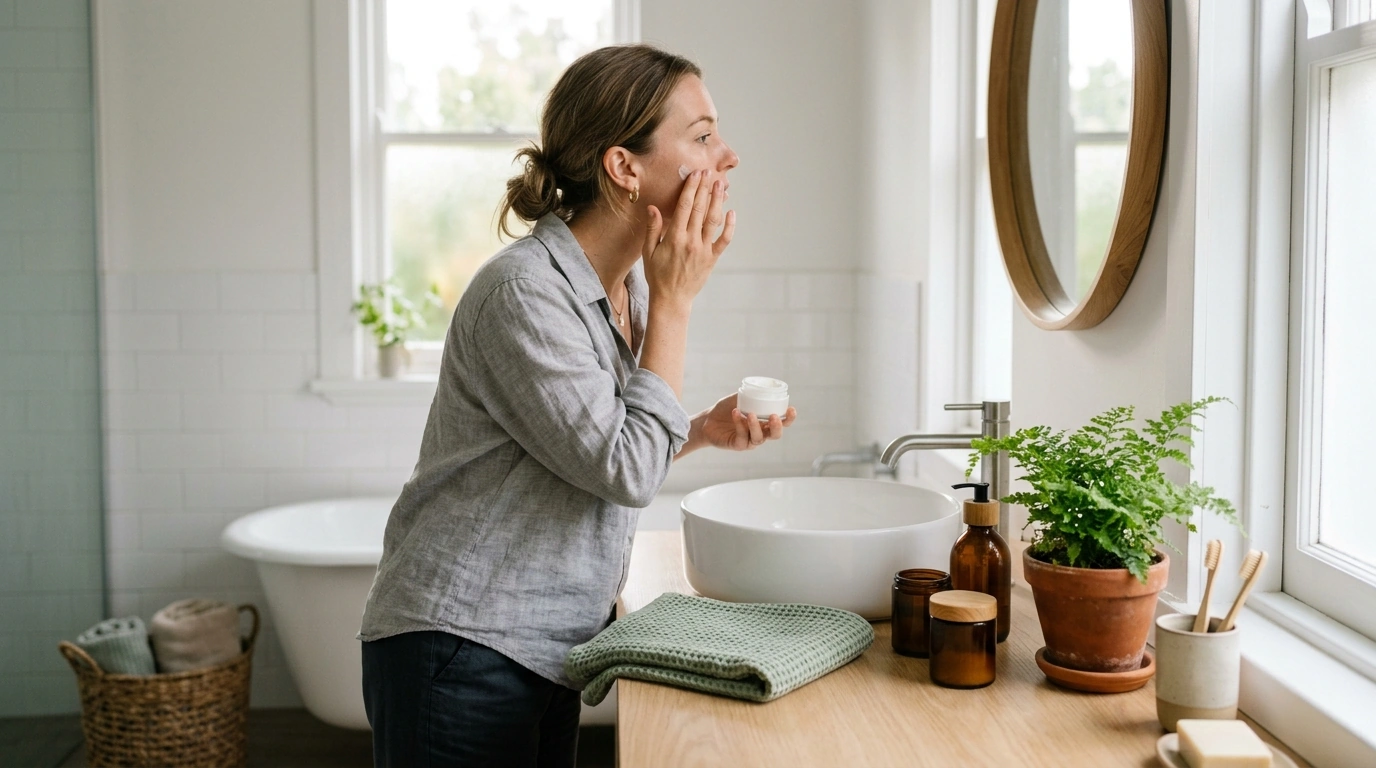
Skin repairs fastest when the damaged area stays clean, slightly moist, protected from friction, and shielded from ultraviolet exposure. For minor cuts or irritation, gentle care usually works better than repeatedly drying, scrubbing, or treating the skin with multiple strong products.
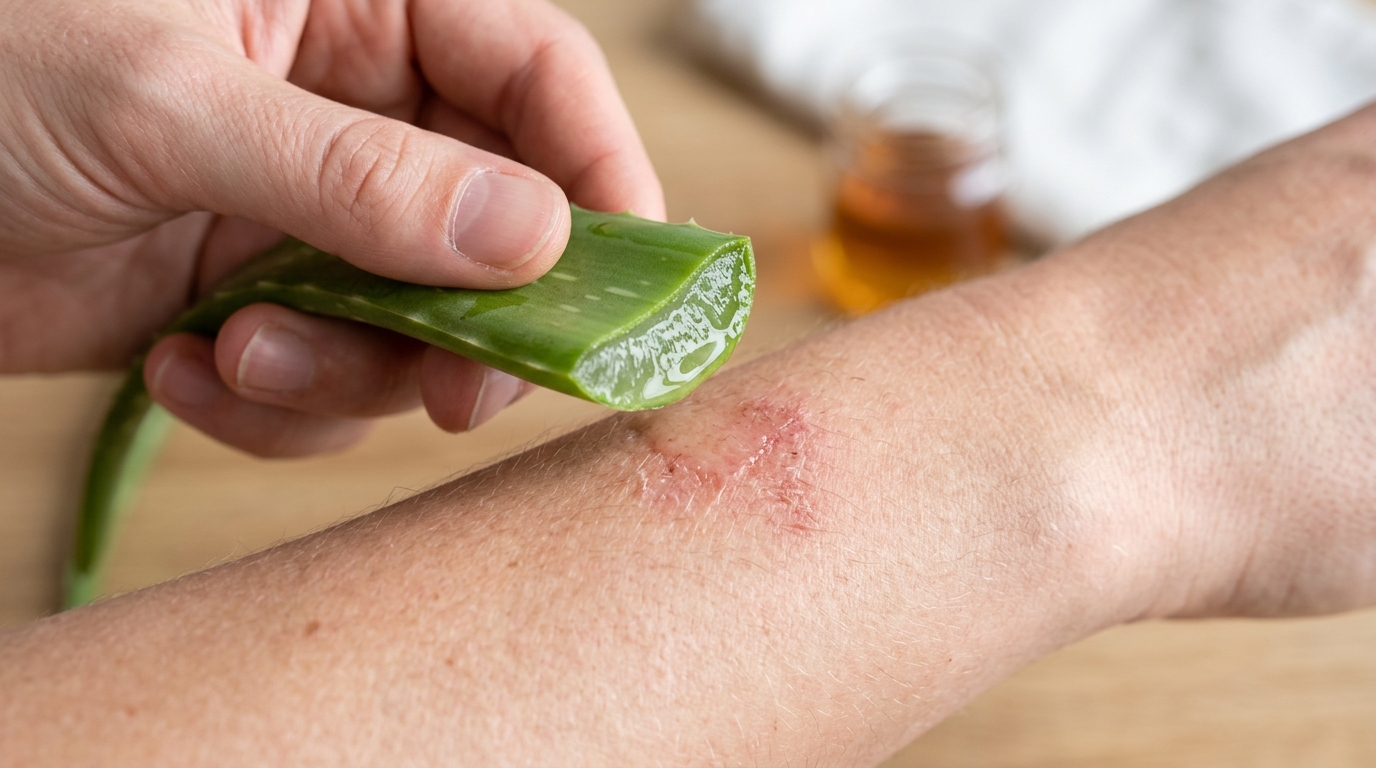
Rinse a small cut with clean running water for several minutes, then wash around it with mild, fragrance-free soap. Avoid routine use of hydrogen peroxide or rubbing alcohol because these products can irritate viable tissue and delay comfortable recovery.
Featured in this guide
The Science of Skin Recovery: A Complete Guide on What to Look for in Skin Repair Products for Healthier, Glowing Skin
A thin layer of plain petrolatum reduces water loss and prevents a minor wound from forming a hard, cracked scab. Apply it with clean hands after cleansing, then cover the area with a sterile nonstick bandage that extends beyond the wound edges.
Change a standard bandage at least daily, or sooner if it becomes wet or dirty. Hydrocolloid dressings can remain in place for several days and may suit shallow, lightly draining wounds, but they should not be placed over infected skin or used by people with adhesive sensitivities without professional guidance.
Once the surface has closed, apply a broad-spectrum, water-resistant sunscreen rated SPF 30 or higher to exposed skin. Reapply approximately every two hours outdoors because ultraviolet exposure can darken healing marks and interfere with normal collagen remodeling.
Choose fragrance-free moisturizers containing ceramides or glycerin for an impaired skin barrier, and patch-test unfamiliar formulas on a small area for 24 to 48 hours. Stop use if burning, swelling, or a spreading rash develops; seek medical care for increasing pain, warmth, pus, fever, red streaks, deep wounds, or bleeding that does not stop.
For ingredient comparisons and product-selection guidance, read the complete guide to skin recovery and skin repair products.
Skin repair progresses most efficiently when minor damage is gently cleaned, coated with a thin layer of petrolatum, and protected with a clean dressing. Adequate sleep, protein-rich meals, hydration, and avoiding tobacco also support the biological processes involved in skin repair.
Your skin heals fastest when the wound remains moist but not waterlogged, protected from repeated friction, and free from infection. Do not pick scabs, and have deep, contaminated, slow-healing, or increasingly painful wounds evaluated by a healthcare professional.




Leave a comment