35% off on product page · save $262.53
What Are the Downsides of a Ceramic Sink? 4 Key Risks
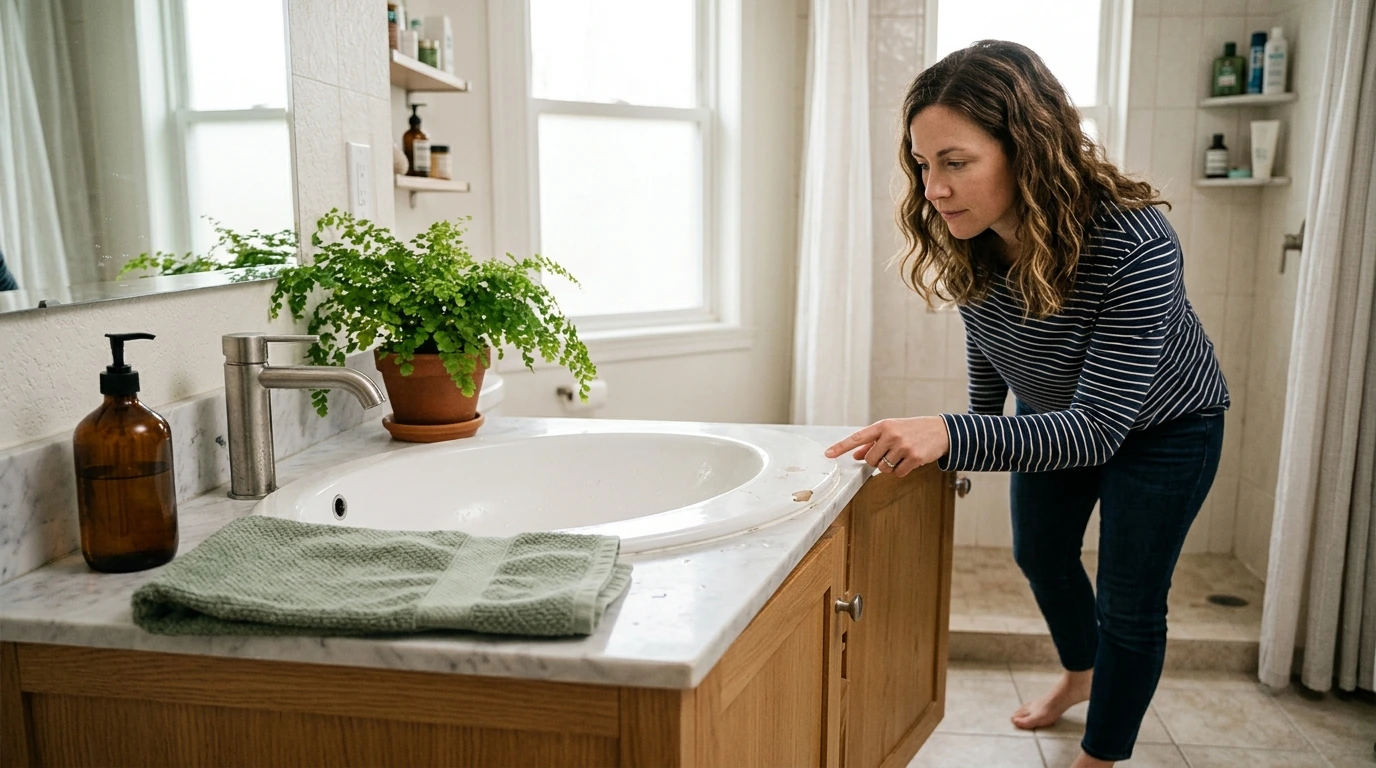
Ceramic sinks offer a polished, timeless appearance, but they are not indestructible. Their main disadvantages include susceptibility to chips, considerable weight, stubborn surface marks, limited repair options, and the need for careful installation.
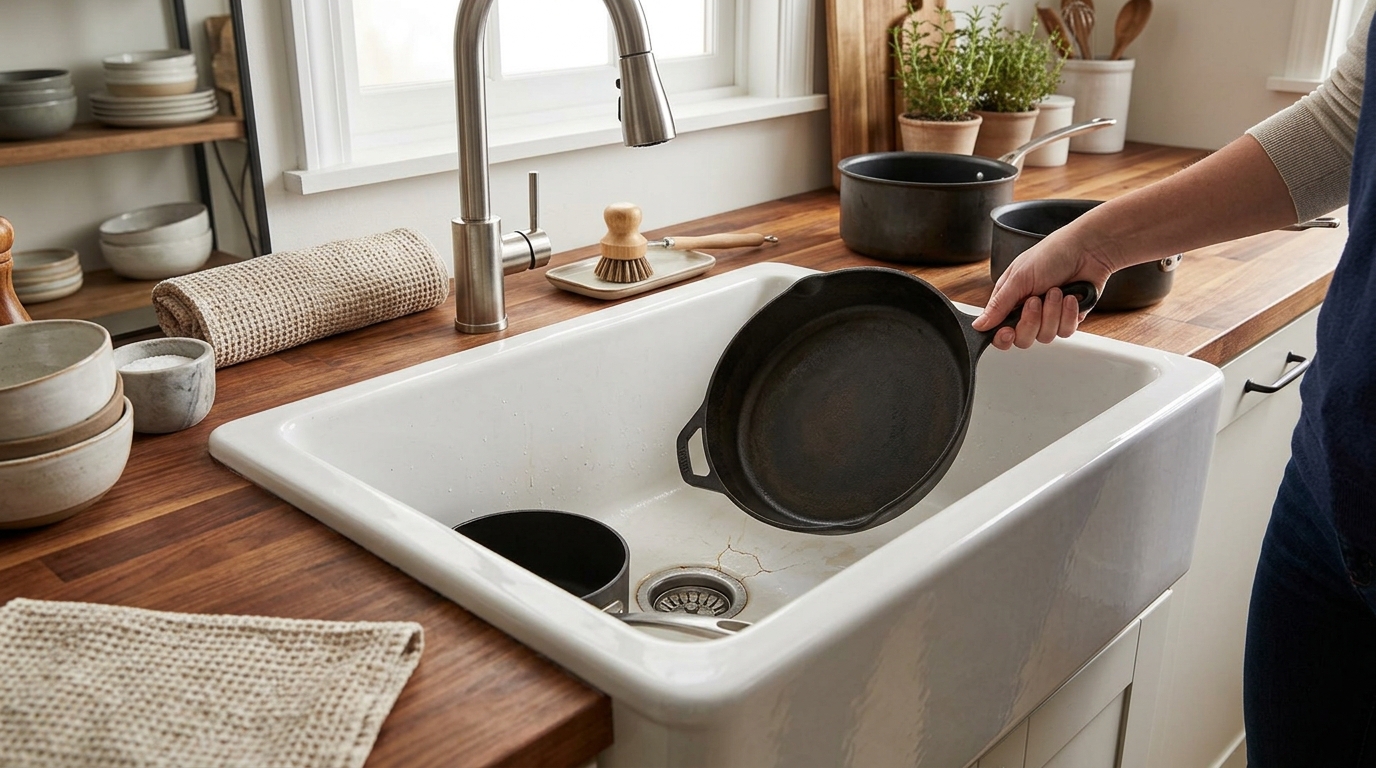
Ceramic is hard but relatively brittle, so a dropped cast-iron pan or heavy glass bottle can chip the glaze or crack the basin. Use a protective sink grid and avoid striking the rim with cookware, especially around thinner edges and drain openings.
Featured in this guide
Elegant Blue Floral Ceramic Vessel Sink for Bathroom and Countertop
A ceramic sink can weigh substantially more than a stainless-steel model of the same dimensions. Before installation, confirm that the cabinet, countertop, mounting clips, and adhesive are compatible with the sink’s listed weight; large undermount models may need a support frame.
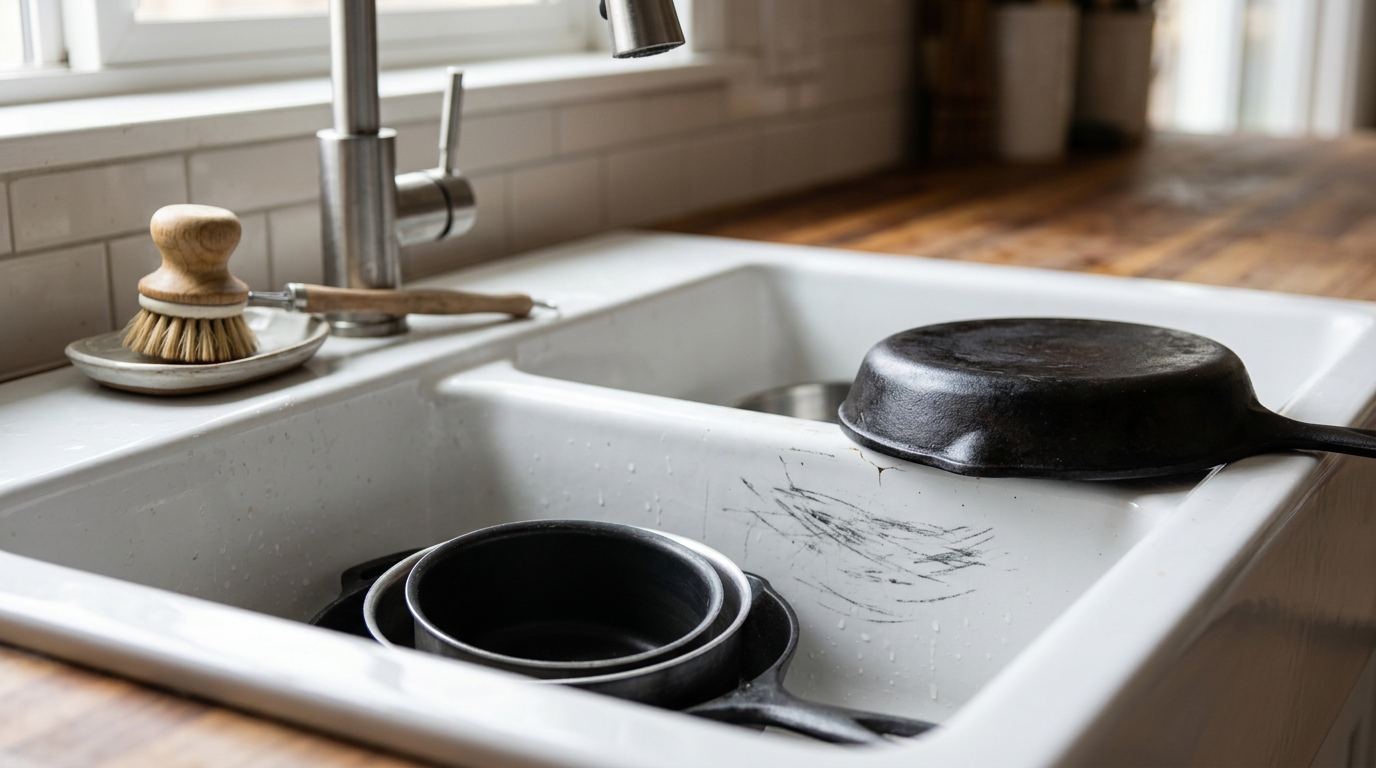
Metal cookware can leave gray scuff marks on glossy ceramic, while coffee, tea, and mineral-rich water may discolor neglected surfaces. Rinse the basin after use and clean it with a nonabrasive sponge and a manufacturer-approved cleaner rather than steel wool or harsh scouring powder.
Small chips can sometimes be filled with a color-matched ceramic or porcelain repair compound, but achieving an invisible finish is difficult. Measure the damaged area and check whether it reaches the sink body; deep cracks, leaks, or spreading fractures usually require professional assessment or replacement.
A porcelain or ceramic sink can both provide a smooth, durable finish, and the terms sometimes overlap depending on the manufacturer. Porcelain is typically a refined ceramic material with a glass-like coating, so compare the basin’s base material, glaze thickness, warranty, and impact resistance rather than relying on the label alone.
You should avoid pouring boiling water directly into a cold ceramic sink because sudden temperature change may stress the glaze or basin. Run warm water first, let the boiling liquid cool slightly, or pour it slowly while additional tap water flows to reduce thermal shock.




Leave a comment